
EDITORIAL
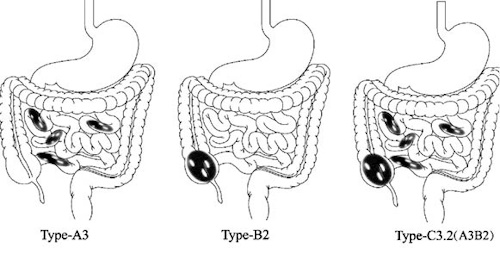
Objective. The outcomes of multiple intestinal resections in children may be accompanied by severe complications, including postresection short bowel syndrome (PSBS) and chronic intestinal failure (CIF). Such patients experience severe growth and developmental delays and often require long-term parenteral nutrition. Currently, a unified classification that could enable objective assessment of the risks of PSBS is lacking. The available approaches fail to account for the entire range of factors and are difficult to apply in clinical practice.
Materials and methods. In total, 80 patients with resections of various sections of the intestine were included in the study. Children with extensive resections were distinguished into a separate group (n = 42), with inclusion criteria being resection of more than one-third of one section or two or more sections of the intestine. The diagnostic criteria for PSBS were pathological intestinal stoma losses of 30 ml/kg/day or greater and a total stool and urine volume of 60 ml/kg/day or greater. The diagnostic criteria for CIF were prolonged parenteral nutrition with the inability to achieve enteral autonomy during the period of more than two months.
Results. Necrotizing enterocolitis and congenital malformations of the small intestine, including those associated with intestinal malrotation, were found to be the most common reasons for resection. Almost half of the cases accounted for ileum resections (42.7%), with the share of large bowel resections being 16.1%. In the extensive resection group (n = 42), resection of more than 2/3 of the jejunum statistically significantly resulted in the development of PSBS, while resection of more than 2/3 of the large bowel statistically significantly aggravated the prognosis. It was shown that PSBS developed in 60% of cases involving two sections of the intestine, amounting to 80% when three sections were involved. Resection of the ileocecal junction had no statistically significant effect on outcomes.
Conclusion. The currently available approaches to predicting outcomes after extensive bowel resections in children fail to take into account the entire range of nosologies, as well as intraoperative and postoperative criteria. Further analysis of the results obtained is needed to form a basis for developing a surgical classification for PSBS prediction. Such a classification will facilitate the process of decision making for surgeons and pediatricians involved in the treatment of children with PSBS and CIF.
ORIGINAL RESEARCH
Aim. To study data on the relationship between childhood obesity and hypertension, their effect on target organ damage (TOD), as well as to analyze available therapeutic options.
Materials and methods. We carried out a review of scientific publications presented in Russian and foreign databases (eLibrary, PubMed, Google Scholar, UpToDate). The review depth was five years; the search keywords were «arterial hypertension», «childhood obesity», «target organ damage» both in the Russian and English languages. When analyzing the retrieved data, all publications on the combination of childhood obesity and hypertension, their effect on target organ damage, diagnostic methods, and treatment options were considered.
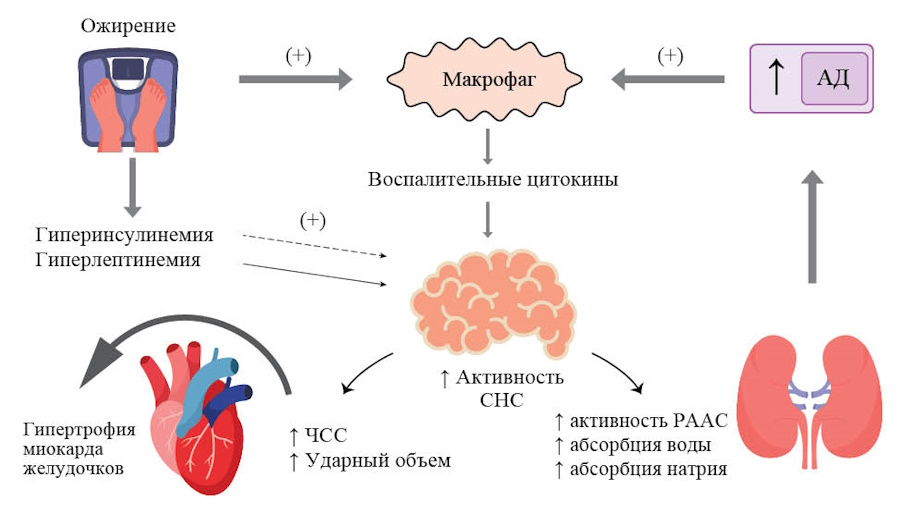
Results. Despite public health efforts, the prevalence of hypertension and obesity in the pediatric population is constantly increasing. Hypertension and obesity contribute to the production of pro-inflammatory cytokines that activate the reninangiotensin-aldosterone system and the sympathetic nervous system, which leads to negative consequences in the regulation of blood pressure and kidney function. Increased blood pressure triggers adverse changes in the functioning of the heart, blood vessels, kidneys, and retina. Neurocognitive functions may also be impaired. The results of recent studies indicate advances in the treatment of hypertension and obesity in children, which can reduce the risk of damage to target organs in the pediatric population.
Conclusions. Arterial hypertension and obesity have a significant impact on TOD in children. Measures to normalize blood pressure and treat childhood obesity can reduce left-ventricular hypertrophy, improve systolic and diastolic function, as well as kidney function. Proper screening and treatment of these diseases can reduce the potential negative effects on the cardiovascular system in the future.
Background. For patients with cystic fibrosis (CF), respiratory tract infections caused by Pseudomonas aeruginosa, S. aureus, B. cepacia complex, and other non-fermenting bacteria (NGOs) are significant risk factors. Insufficient disinfection of environmental objects and care items used by children suffering from cystic fibrosis, as well as the circulation of pathogens in the home environment, can lead to reinfection and superinfection.
Objective. To determine the epidemiological significance of the home environment in the transmission of P. aeruginosa bacteria to children with CF and to evaluate the effectiveness of preventive measures at home.
Materials and methods. The living conditions of 27 children with CF with a chronic lung infection caused by P. aeruginosa and their families were assessed. A total of 265 samples collected from home environmental objects were analyzed. Surface samples were collected using swabs. The study was conducted using bacteriological and molecular genetic methods.
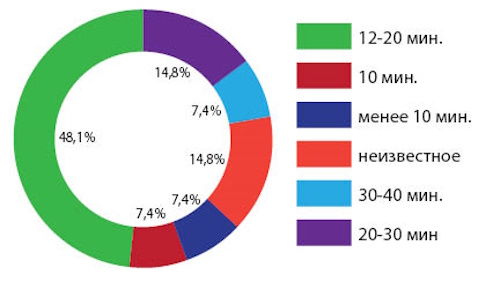
Results. An analysis of questionnaires revealed that 26% of families of children with CF did not use detergents or disinfectants to care for their inhalers. 41% of families did not adhere to the specified time (schedule) for sink disinfection. 83% of bathroom sinks were contaminated with microorganisms. Among the isolated microorganisms, the rate of P. aeruginosa isolation was 20%. Monitoring of the home environment revealed that sink drains were the main reservoirs of P. aeruginosa. Pseudomonas aeruginosa contamination of nebulizer masks and toothbrushes was also detected. PCR data obtained from studying P. aeruginosa isolates from different objects indicate the possibility of the circulation of a single genotype in the home environment. The effectiveness of preventive measures for disinfecting nebulizers and sinks was established to be insufficient. After disinfection, opportunistic pathogens were isolated from 22% of nebulizer surfaces. A. lwoffii, Aspergillus niger, Candida albicans, and S. aureus were isolated from nebulizer compressor filters and toothbrushes. These bacteria can infect the lungs of patients with CF, including in association with P. aeruginosa.
Conclusion. Control over microbiological risks in the home environment, including regular monitoring and strict protocols for the treatment of key objects, should be mandatory for patients with CF to achieve eradication of lung pathogens.
Background. The therapy of CFTR modulators for cystic fibrosis (CF) patients is a priority task. Since November 2021, children and adolescents with CF in Russia have been provided with the lumacaftor/ivacaftor and elexacaftor/tezacaftor/ivacaftor + ivacaftor treatment, funded by the «Krug Dobra» (Circle of Goodness) Foundation. The impact of therapy on lung function in CF is of great interest and is crucial for evaluating its effectiveness.
Objective: to evaluate the impact of CFTR modulators — lumacaftor/ivacaftor and elexacaftor/tezacaftor/ivacaftor + ivacaftor — on lung function in CF patients with the F508del/F508del genotype.
Materials and methods. A retrospective, observational, longterm study of respiratory function data was conducted in children and adolescents with the F508del/F508del genotype receiving therapy with lumacaftor/ivacaftor (n = 96) and elexacaftor/ tezacaftor/ivacaftor + ivacaftor (n = 14) using data from national CF patient registries in 2019 and 2022.
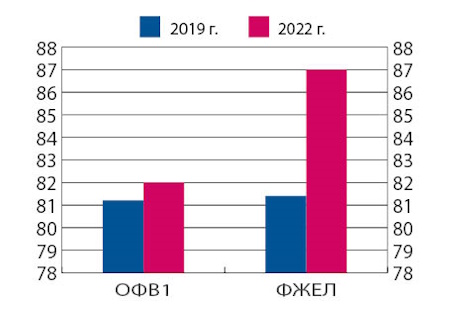
Results. In the general group of patients receiving CFTR modulators, respiratory function indicators did not change statistically significantly. However, they tended to decrease: mediana (Me) FEV1 in 2019 was 85.0% compared to 83.5% in 2022; a decrease in Me FEV1 by 1.5 p.p. Me FVC in 2019 was 89.0% compared to 88.1% in 2022. The decrease in Me FVC was 0.9 p.p. During therapy with lumacaftor/ivacaftor or elexacaftor/tezacaftor/ ivacaftor + ivacaftor, the FEV1 parameters showed no statistically significant changes. In patients receiving therapy with lumacaftor/ivacaftor, Me FEV1 decreased from 85.0% to 81.4%, Me FVC — from 89.0% to 88.1%. Me FEV1 decreased by 3.6 p.p, and Me FVC decreased by 0.9 p.p. In patients receiving therapy with elexafactor/tezacaftor/ivacaftor + ivacaftor, FEV1 parameters tended to increase: Me FEV1 increased from 81.2% to 82.0%, and Me FVC — from 81.4% to 87.0%. Me FEV1 increased by 0.8 p.p, and Me FVC increased by 5.6 p.p.
Conclusions. The conducted assessment of the impact of CFTR modulators on lung function in children revealed that in patients with the F508del/F508 genotype, both FEV1 and FVC values did not decrease statistically significantly in 2022 compared to 2019. This can be considered a positive factor in terms of the impact of therapy on the course of CF. However, under lumacaftor/ivacaftor therapy, FVC values tended to decrease. For comparison, the elexacaftor/tezacaftor/ivacaftor + ivacaftor combination, despite lower baseline FVC values, led to an increase in these indicators.
CLINICAL CASE
In this article, we describe a clinical case of acute hepatitis associated with measles infection in a child. This was part of a series of cases registered in St. Petersburg during the measles outbreak of 2023–2024. The patient had a typical course of measles. The complications included dyspeptic disorders with predominant involvement of the upper gastrointestinal tract. Physical examination revealed the presence of hepatomegaly, with no other clinical signs of liver involvement observed. No signs of liver failure, such as impaired protein-synthetic function of the liver, coagulopathy, or hepatic encephalopathy were noted. Laboratory tests revealed a cytolysis syndrome with ALT and AST levels being 9–10‑fold higher than the upper limit, as well as moderate cholestasis. Over time, laboratory parameters normalized during the early convalescent period. Liver involvement is not a classical manifestation of measles; however, the literature presents cases up to the development of severe hepatitis requiring liver transplantation. The potential hepatotropic effect of the measles virus is evidenced by literature reports of its detection in hepatocytes based on histological studies. In this article, we demonstrate the possibility of hepatitis development in pediatric patients with measles.
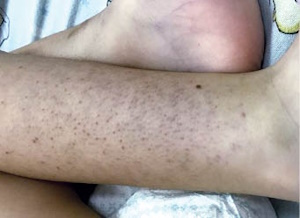
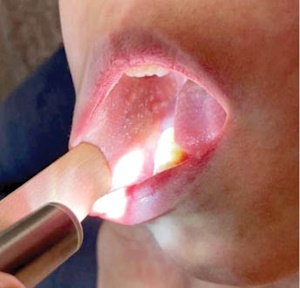
Scurvy, or vitamin C deficiency, is currently an extremely rare condition. Vitamin C is a water-soluble vitamin found in fresh fruits and vegetables. It is destroyed rapidly during cooking and is not synthesized in the human body. Clinical manifestations of vitamin C deficiency develop within three months of its insufficient intake. In this article, we report two cases of scurvy associated with eating disorders and a refusal to consume fresh fruits and vegetables in children with autism spectrum disorders. The children were admitted to a neurology department complaining of leg pain, including a refusal to walk, hemorrhagic rashes, and gingivitis. Due to the rarity of this condition, the first patient underwent a lengthy diagnostic investigation with numerous tests. After diagnosis, rapid regression of clinical manifestations following vitamin C therapy was observed.
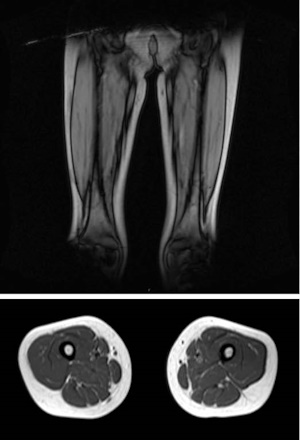
Nemaline myopathies (NM) represent a genetically and clinically heterogeneous group of congenital myopathies, the morphological hallmark of which is the presence of nemaline (rodlike) bodies in muscle fibers. In recent years, the introduction of high-throughput sequencing has elucidated of the etiology of this disease, with more than 12 mutations leading to the development of nemaline myopathies being identified. The classical signs include diffuse muscle hypotonia and weakness, which is especially pronounced in the proximal regions, facial, neck, and trunk muscles, as well as decreased or absent tendon reflexes. Dysmorphic features (dolichocephaly, higharched palate, micrognathia), skeletal deformities (kyphoscoliosis, pectus excavatum, clubfoot), and joint contractures are often observed. Currently, there exists no specific pathogenetic therapy. The treatment is largely supportive and relies on a multidisciplinary approach, including respiratory support, nutritional support, orthopedic correction, and cardiological monitoring.
LITERATURE REVIEW
The issue of stigma faced by patients living with viral hepatitis has attracted insufficient attention in the professional community; however, the few available studies indicate a significant underestimation of its importance. Patients with viral hepatitis report experiencing negative attitudes from others both in everyday life and when accessing medical care. This has a significant effect of their quality of life. The problem of negative attitudes among medical personnel has also been identified, which affects the quality of medical care for patients with viral hepatitis, up to the refusal of its provision in some cases. Stigma associated with chronic viral hepatitis is a widespread problem, arising primarily from a lack of awareness about the infection and its transmission routes. In this review, we emphasize the importance of studying this problem and developing de-stigmatization measures in order to raise the awareness among society and medical professionals about possible infection routes and to form a different image of viral hepatitis patients.
Neonatal intraventricular hemorrhage (IVH) is a frequent condition in premature newborns associated with brain damage, leading to impaired neurological development of the child [1–3]. IVH is a multifactorial condition, with one of the factors being unstable blood flow in the brain of a premature infant [4]. Despite the emergence of improved technologies in neonatal care and an increase in the survival rate of infants with very low body weight (VLBW) and extremely low body weight (ELBW) at birth, the incidence of IVH remains virtually at the same level [4]. In children with VLBW, IVH develops in 20–25% of cases, whereas in children with ELBW at birth, this share increases to 45% [5]. The presented literature review discusses algorithms and approaches to preventing this complication.
Introduction. Elucidation of the mechanisms of urticaria chronification remains a key challenge in clinical immunology. Dysregulation of apoptosis via the TRAIL/TRAIL-R system is a promising direction in identifying new pathogenetic targets and biomarkers.
Materials and methods. An analytical literature review was conducted. A systematic search was performed across the PubMed, Scopus, Web of Science, eLibrary, and CyberLeninka databases for the period from 2000 to 2025. A total of 97 publications meeting the inclusion criteria were selected and analyzed. The method of comparative pathogenetic analysis was applied.
Results. Fundamental differences in the state of the TRAIL/ TRAIL-R system between acute and chronic urticaria (CU) were established. In its acute form, a compensatory increase in soluble receptors (sTRAIL-R1/R2) is observed, which limits apoptosis. In CU, a pathological imbalance develops; thus, a persistent decrease in the membrane expression of functional TRAIL-R1/R2 receptors on immune cells is coupled with an increase in their soluble antagonistic forms. This dual defect leads to impaired clearance of activated cells and persistence of inflammation. The parameters of the TRAIL/TRAIL-R system demonstrate a high diagnostic and prognostic potential for patient stratification and assessment of therapy response.
Conclusions. Dysfunction of the TRAIL/TRAIL-R system is a significant pathogenetic link in the chronification of urticaria. Its quantitative and qualitative parameters are promising as clinical biomarkers. For implementation into practice, standardized multicenter studies are required, including those considering age-related characteristics in children.
HISTORY OF MEDICINE
This article presents historical information about Virginia Apgar, an outstanding neonatologist, and examines key aspects of the effective application of her scale, which was proposed to assess the condition of newborns, in the 20th and 21st centuries.

ISSN 3033-6783 (Online)